
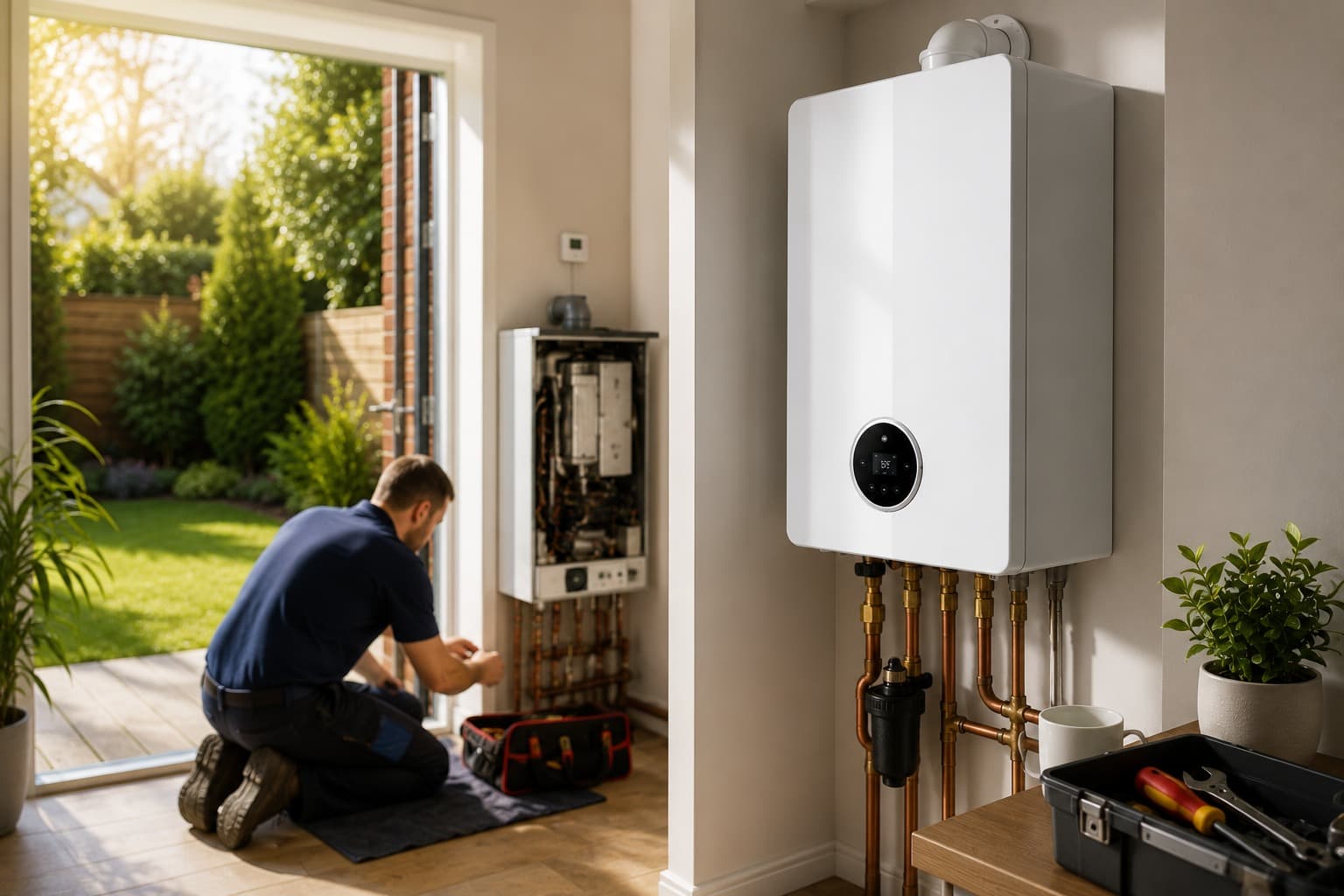
Why Summer Is the Best Time to Replace Your Boiler
Why a boiler replacement in summer makes sense
If you’re thinking about replacing your boiler, summer is the most sensible season to act. With lower heating demand, easier scheduling and less risk of disruption, arranging a boiler replacement in summer lets you prepare your home ahead of the colder months and avoid emergency work when engineers are busiest.
When to consider replacing your boiler
Even if your boiler still heats the house, age and falling efficiency are strong reasons to plan a replacement. Most boilers start to lose efficiency after around 10–15 years, and older models can become harder and more expensive to repair because parts are less readily available. Modern condensing boilers installed across the UK often achieve efficiencies of around 92% or higher, while many older units operate substantially less efficiently. That gap can translate into noticeable annual running-cost savings and a more reliable heating system.
Benefits of replacing your boiler in summer
1. Easier appointments and more choice
Heating engineers are typically less busy in the summer. That means you’re more likely to secure an installation slot that suits your schedule and to get time with installers who can explain options in detail. You can also take your time to obtain and compare multiple quotes, helping you find the best solution for your home.
2. Minimal disruption to home life
A full boiler swap commonly takes one to three days, and can take longer if additional central heating upgrades are needed. Having this work done in warm weather avoids the discomfort and risk that come with being without central heating during the winter — you won’t face frozen pipes or the need for temporary heating solutions while the new unit is fitted.
3. Time to choose the right boiler and controls
Replacing a boiler is a good opportunity to reassess the type and size of system you need. Without the pressure of a winter breakdown, you can research combi, system and conventional boilers, compare manufacturers and consider smart controls or thermostatic upgrades. That planning helps ensure the new installation matches household demand and delivers long-term efficiency gains.
4. Lower risk of emergency winter repairs
Waiting until a boiler fails in cold weather increases the chance of an emergency call-out at short notice and at potentially higher cost. A summer replacement or even a proactive service reduces the likelihood of an unexpected winter breakdown and gives you peace of mind when temperatures drop.
5. Be ready to reduce winter bills
Modern condensing boilers and improved controls recover and reuse heat that older units waste, so installing a more efficient model ahead of winter can reduce your heating consumption over the colder months. Pairing a new boiler with properly sized radiators and smart controls will maximise those savings.
Long-term advantages of a new boiler
- Lower energy use and improved efficiency
- Manufacturer warranty for added protection
- Quieter operation and better temperature control
- Reduced environmental impact through lower fuel consumption
- Potential to increase property appeal and value for prospective buyers
Typical lifespan for modern condensing and combi boilers is also around 10–15 years. To protect that investment and ensure safe, efficient operation, arrange an annual service with a Gas Safe registered engineer.
How to prepare for a summer boiler replacement
- Book an initial site survey so an engineer can confirm the right boiler type and size for your property.
- Compare installation options and warranties from accredited installers.
- Discuss any upgrades such as smart controls, improved pipework or radiator replacements while the property is already being worked on.
- Schedule the install date in advance so the system is ready well before colder weather returns.
Next steps
If you want to learn more about suitable boilers and professional installation, our boiler installation page explains the options and what to expect during a swap. For ongoing reliability, consider booking a summer service to identify issues before the heating season — our boiler servicing page outlines recommended checks and maintenance.
Plan ahead and take advantage of the quieter months: a well-timed boiler replacement in summer reduces disruption now and helps you start the next winter with a more efficient, dependable heating system.
