
Smart Heating Controls: Benefits, Types & Energy Savings Guide
Smart heating controls: why they matter for modern homes
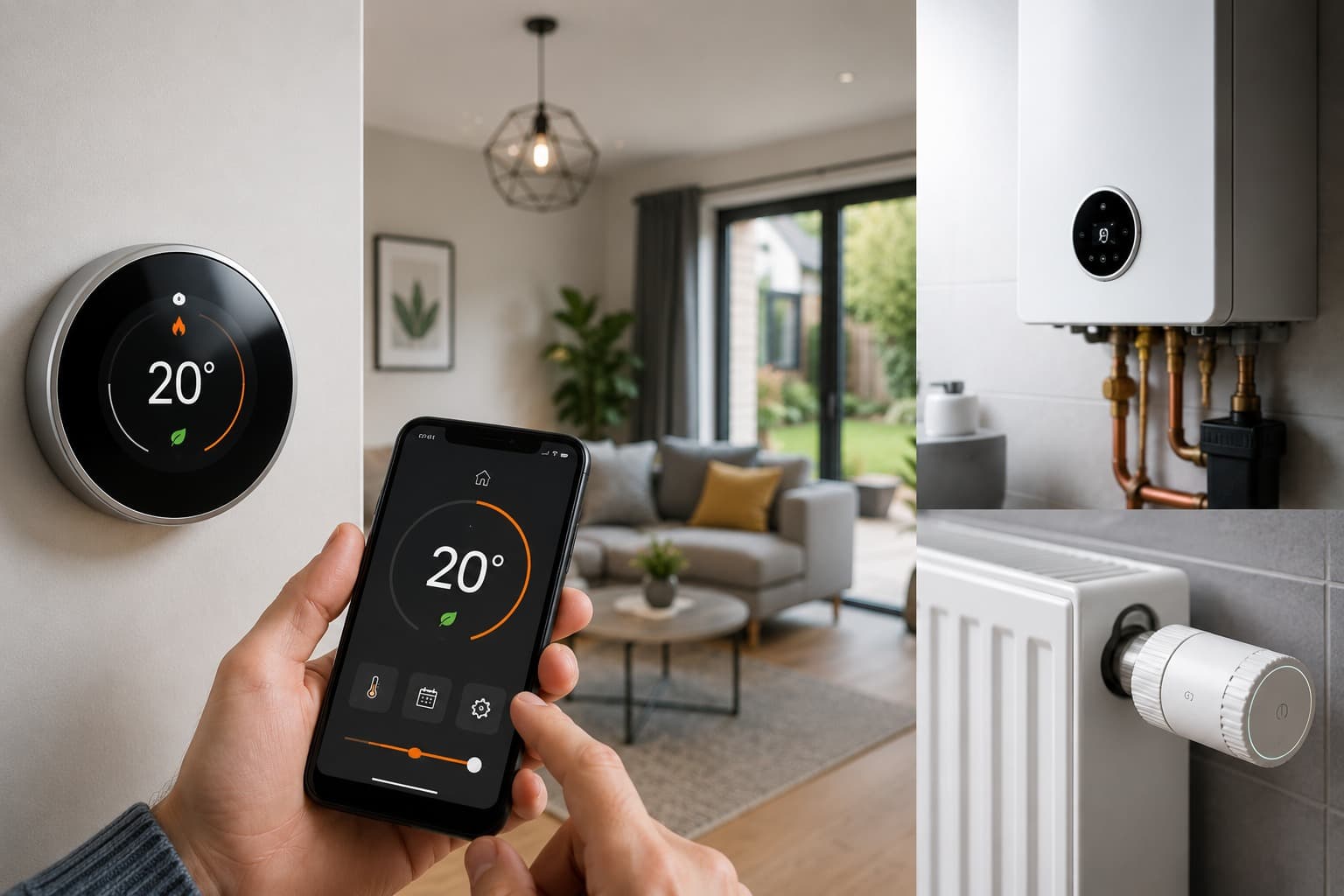
Smart heating controls have transformed how households manage warmth and energy use. By connecting thermostats, radiators and boilers to a phone app, these systems let you control temperatures remotely, automate schedules and optimise performance so your home is comfortable without wasting fuel. Whether you're replacing an older thermostat or specifying controls for a new installation, understanding the options helps you choose a system that suits your lifestyle and reduces your environmental impact.
What a smart control system does
At their core, smart heating controls link three elements: a sensor or room thermostat, a boiler interface and an app on a smartphone or tablet. These components communicate over your home network or the internet to monitor temperatures, apply schedules and respond to changes in occupancy or weather. Some systems learn from your behaviour and adjust heating automatically, while others use algorithms to determine the most efficient times to run your system.
Remote access and flexibility
A key advantage of smart heating controls is remote access. If your plans change, you can alter the heating schedule from anywhere — bringing the house up to temperature before you arrive or delaying heating if you’re running late. This convenience also makes it easier to adopt energy-conscious routines without compromising comfort.
Types of temperature controls and how they work
Choosing the right combination of controls ensures each room is comfortable while avoiding unnecessary energy use. The main control types are room thermostats, programmable thermostats, thermostatic radiator valves (TRVs) and the boiler’s own temperature controls.
Room thermostats
Room thermostats prevent rooms from overheating by switching the heating on until the set temperature is reached, then turning it off. For accurate sensing, a thermostat needs a free flow of air — it should not be blocked by curtains, furniture or placed close to heat sources. Set a room thermostat to the lowest comfortable temperature; many households find a setting between 18 and 21 degrees works well for living spaces.
You do not need to increase the thermostat setting just because it is colder outside — the thermostat will still bring the room to the chosen temperature, although it may take longer. In colder months you might choose to run the heating for longer periods rather than increasing temperatures.
Programmable thermostats and zoning
Programmable room thermostats combine time and temperature control so you can define different temperatures at different times of day. When paired with multiple thermostats or smart TRVs, you can create heating zones — heating only the areas you need for the times you need them. Zoning improves comfort and can reduce fuel use by avoiding whole-house heating at a single temperature.
Thermostatic radiator valves (TRVs)
TRVs control the flow of hot water through individual radiators. When a room reaches the TRV’s set temperature, the valve reduces flow to that radiator. This allows you to set lower temperatures in rooms that need less heat — saving energy and improving comfort. Be mindful that radiator covers can interfere with TRV operation: because TRVs sense the air temperature around them, enclosing a radiator can make the valve think the room is warmer than it really is.
Boiler thermostat and system temperatures
Your boiler also has a temperature control that sets the water temperature supplied to radiators. Higher settings heat a home faster, but modern condensing boilers work most efficiently when the water returning to the boiler is below a certain threshold, so excessively high settings can reduce efficiency. If you have a conventional boiler with a hot water cylinder, the boiler thermostat should be set higher than the cylinder thermostat to ensure the cylinder reaches the correct temperature. Combi boilers often have separate dials for central heating and hot water, allowing you to adjust radiator output without affecting hot water.
Practical benefits of installing smart heating controls
- Reduced energy use and lower carbon dioxide emissions by heating only where and when required.
- Improved comfort through precise temperature control and zoning.
- Remote control and scheduling make it easy to adapt heating to changing plans.
- Automation features and learning thermostats optimise performance without constant manual input.
- Compatibility with existing boilers and the ability to upgrade piecemeal — for example adding TRVs first, then a smart thermostat.
Installing and getting the most from smart controls
Careful planning delivers the best results. Consider the rooms you use most, the times you need heat and whether you want automatic learning features or simple scheduling. In new-builds or when redesigning heating zones, ensure the control strategy complements the property layout so zones are efficient and responsive.
If you already have a boiler, check compatibility before buying controls — a professional installer can advise whether the system needs updating or if additional components are required. For ongoing assurance and performance, regular boiler servicing helps maintain efficiency and reliability.
Next steps: getting help and a tailored quote
Smart heating controls vary by features, compatibility and installation complexity. For accurate advice and a personalised recommendation, request a site visit and quote from a reputable installer. If you’d like to discuss options or arrange an assessment, contact us and we’ll help you choose the best smart control solution for your home.
