
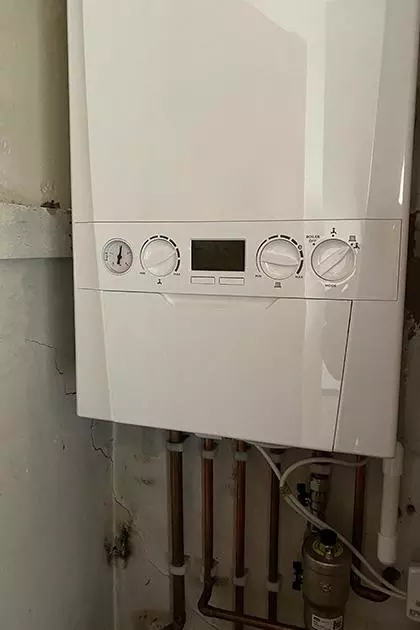
What Does a Boiler Service Include? A Homeowner Guide
A regular boiler service keeps your heating running safely and efficiently, but many homeowners are not quite sure what actually happens during a visit. Knowing what a proper service includes helps you feel confident you are getting a thorough job and not just a quick look over.
What a professional boiler service usually includes
Every boiler model is slightly different, and engineers follow manufacturer instructions, so the exact steps can vary. However, most professional services follow the same broad pattern of visual checks, safety testing and cleaning of key parts where accessible.
A full appointment typically starts with a short chat about any problems you have noticed, followed by a careful inspection and a series of tests. The aim is to check the boiler is operating safely, burning gas correctly and not putting unnecessary strain on components.
Visual checks inside and outside the boiler
The engineer will usually begin with a general visual inspection of your boiler, its casing and the pipework around it. They are looking for obvious signs of wear, corrosion, water leaks or poor installation that could affect performance or safety.
They should also check the flue route that carries fumes outside, the position of any air vents, and the general condition of the heating system, such as radiators and visible valves.
Clear access to the boiler and controls
Flue terminals outside not blocked or damaged
No obvious water leaks, stains or rust on pipework
Casing and seals intact with no missing screws
Safety checks and combustion testing
Gas safety is at the heart of a proper boiler service. Your engineer should check for signs of poor combustion, such as sooting or staining, and confirm there is adequate ventilation for the appliance.
On modern boilers, they will usually use a flue gas analyser to test the gases being expelled. This helps confirm the boiler is burning gas efficiently and that the levels of carbon monoxide are within safe limits for that model.
Flue, condensate and seals
The flue is the pipe that takes combustion products outside. The engineer should inspect accessible sections to ensure they are secure, correctly supported and not corroded or damaged.
On condensing boilers, the condensate trap and pipework are checked for blockages and correct routing. They may clean out the trap if needed. Seals around the boiler cover and combustion chamber are also examined, and any that are damaged or perished should be reported and replaced.
Cleaning and component checks during a service
A boiler service is not usually a full strip-down, but key components are often cleaned and checked where the manufacturer allows. This helps the boiler run more smoothly and can reduce the risk of future faults.
Burner, heat exchanger and internal parts
Depending on the boiler design and access, the engineer may remove the burner and look at the main heat exchanger. Light cleaning of deposits can improve combustion and protect efficiency, especially on older appliances.
They may also check and clean parts such as the ignition electrodes, flame sensor and condensate trap where accessible, and visually inspect wiring and internal connections for obvious damage.
Pressure, controls and safety devices
For sealed systems, the system water pressure is checked and topped up if required, and the pressure gauge is read both when cold and when running. Expansion vessels may also be tested where appropriate.
Controls such as the room thermostat, programmer and boiler front panel are operated to make sure the boiler responds correctly. Safety devices like pressure relief valves and overheat stats are inspected or tested in line with manufacturer instructions.
How to prepare your home for a boiler service
A little preparation makes the visit quicker and smoother. It also helps your engineer carry out all the checks they need without delays.
Clear a good space around the boiler so they can remove the case and move safely. If your boiler is in a cupboard, empty shelves where needed and make sure any pets are in another room. It is also helpful to have your boiler manual to hand if you know where it is.
Service vs repair vs landlord gas safety certificate
These terms are often mixed up, but they are not the same thing and they suit different situations. Understanding the difference helps you book the right visit.
Boiler service: routine care
A boiler service is a planned, routine check carried out once a year for most homes. It is for boilers that appear to be working normally, even if you have noticed minor niggles such as slightly noisy operation.
The goal is to check safety, efficiency and general condition, and to flag up any early signs of wear. Your engineer may recommend repairs or replacement parts if they find problems during the service, but those repairs are usually agreed separately.
Boiler repair: fixing a fault
A repair visit is focused on finding and fixing a specific fault, such as no heating, no hot water, error codes or leaks. The engineer will diagnose the issue, then replace or adjust parts as needed.
You can sometimes combine a repair with a service if the boiler is due one, but serious faults may need to be fixed before any routine servicing can be completed safely.
Landlord gas safety certificate (CP12)
A landlord gas safety certificate, often called a CP12, is a legal requirement for rented properties with gas appliances. It confirms that gas appliances and flues have been checked for safety at that address on that date.
A CP12 is not the same as a full boiler service, although some landlords choose to have both done together. If you are a landlord, you can read more on our landlord safety certificates page.
Questions to ask your heating engineer
It is perfectly reasonable to ask your engineer to explain what they have done. A good professional will be happy to talk you through their checks in plain language.
Can I see your Gas Safe ID card before you start?
Which safety tests did you carry out on my boiler and flue?
Are there any advisories, worn parts or issues I should monitor?
Is my boiler set up as efficiently as it can be for my home?
When would you recommend my next service?
Regular servicing and long term peace of mind
Having your boiler serviced regularly helps protect your household from gas and carbon monoxide risks, keeps your heating running more efficiently and may reduce the chance of sudden breakdowns. It also supports warranty conditions on many newer boilers.
If you would like to arrange a visit, you can find more information on our boiler servicing page or book directly via our online booking. For ongoing peace of mind, including routine checks and priority support, take a look at our service plans.
To speak to someone today or to book boiler servicing over the phone, contact 7 Day Plumbing Service Ltd on 07896487603. Our Gas Safe registered engineers are here to help keep your home warm and safe all year round.
